The Science of Stress and The Oxygen Plan
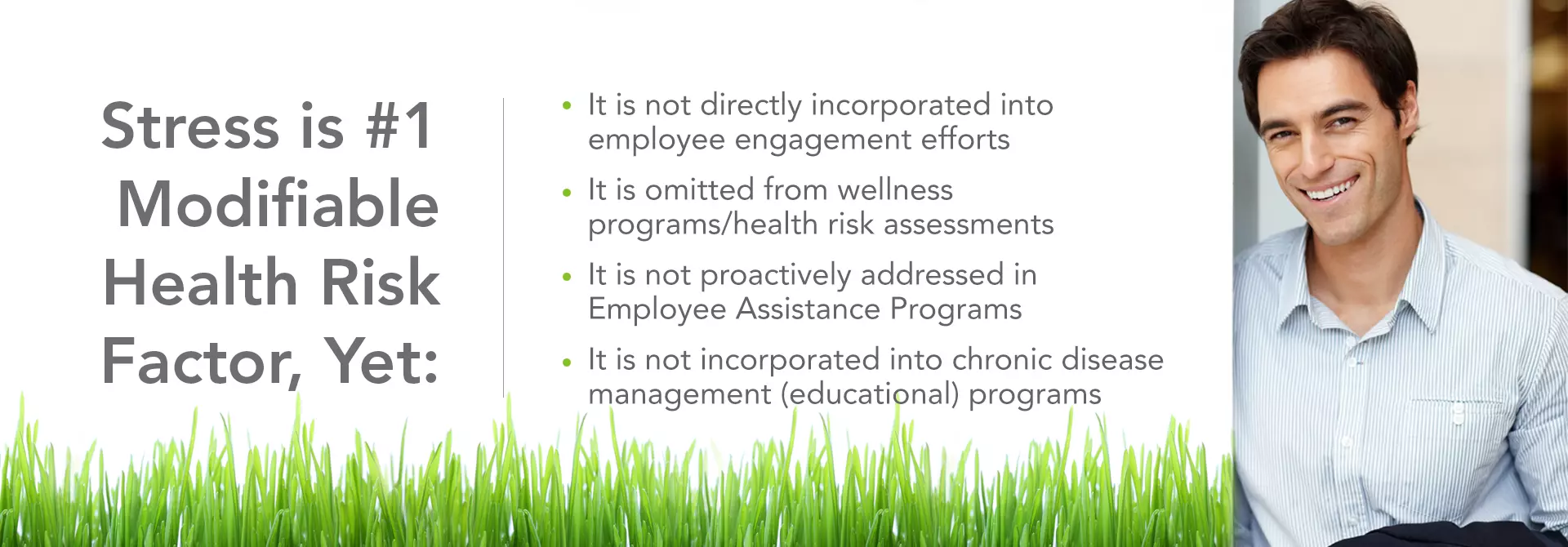
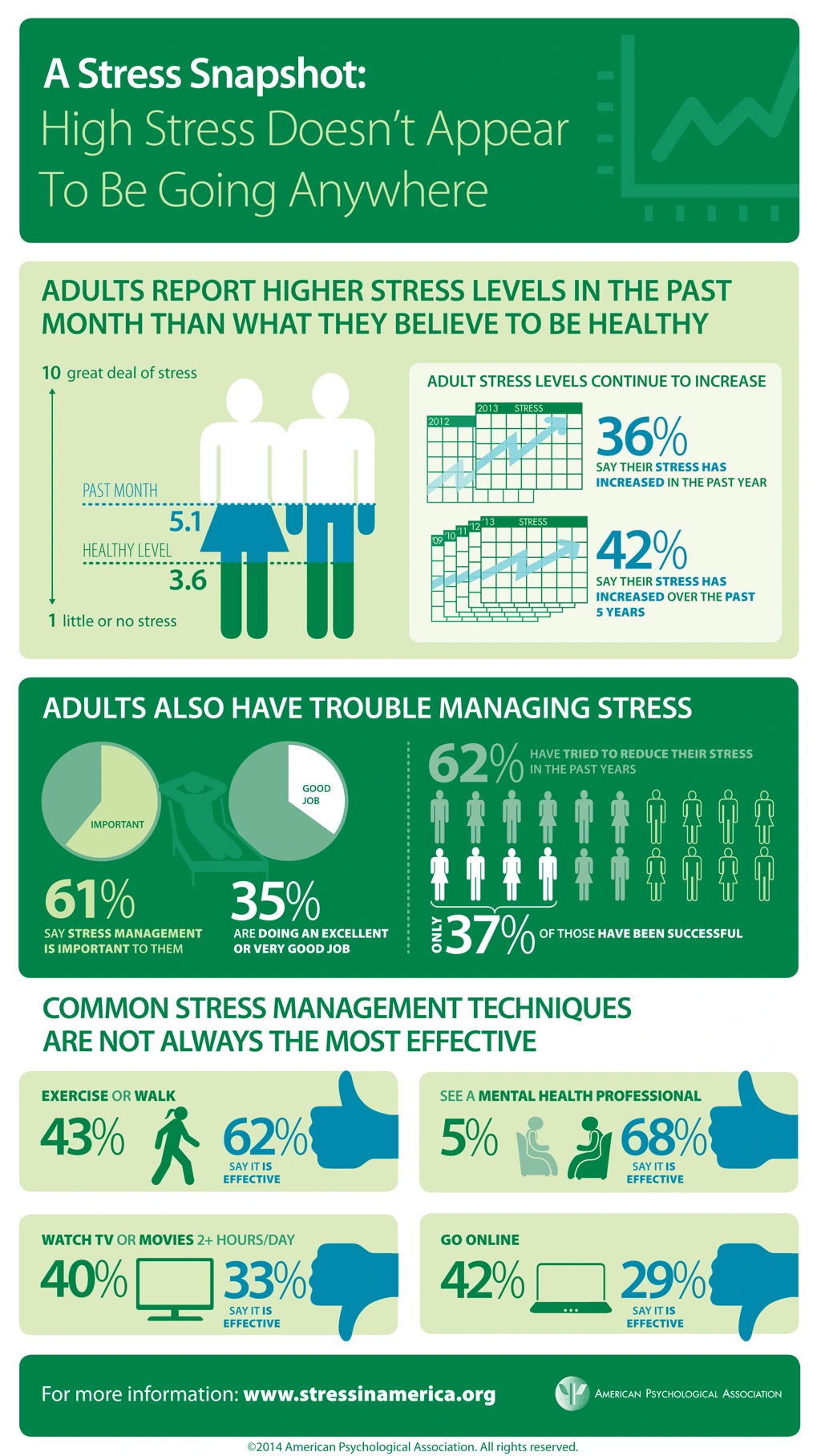
Since Hans Selye’s pioneering work on stress in 1956 (“The Stress of Life”), research generated vast knowledge on the science of stress, it’s causes and how stress creates considerable risk to health. Similarly, behavioral science has helped us discover meaningful ways to modify our behavior and lifestyle to manage stress and it’s related health risk. We’ve come to learn that stress is the #1 modifiable health risk in the United States!
At The Oxygen Plan, we adhere to the science of stress and behavior change as we offer individuals strategies and techniques to modify their behavior and lifestyle to improve their health and move toward wellness. This in turn allows employers to develop a healthier, more productive work force while also realizing tremendous savings of health care costs.
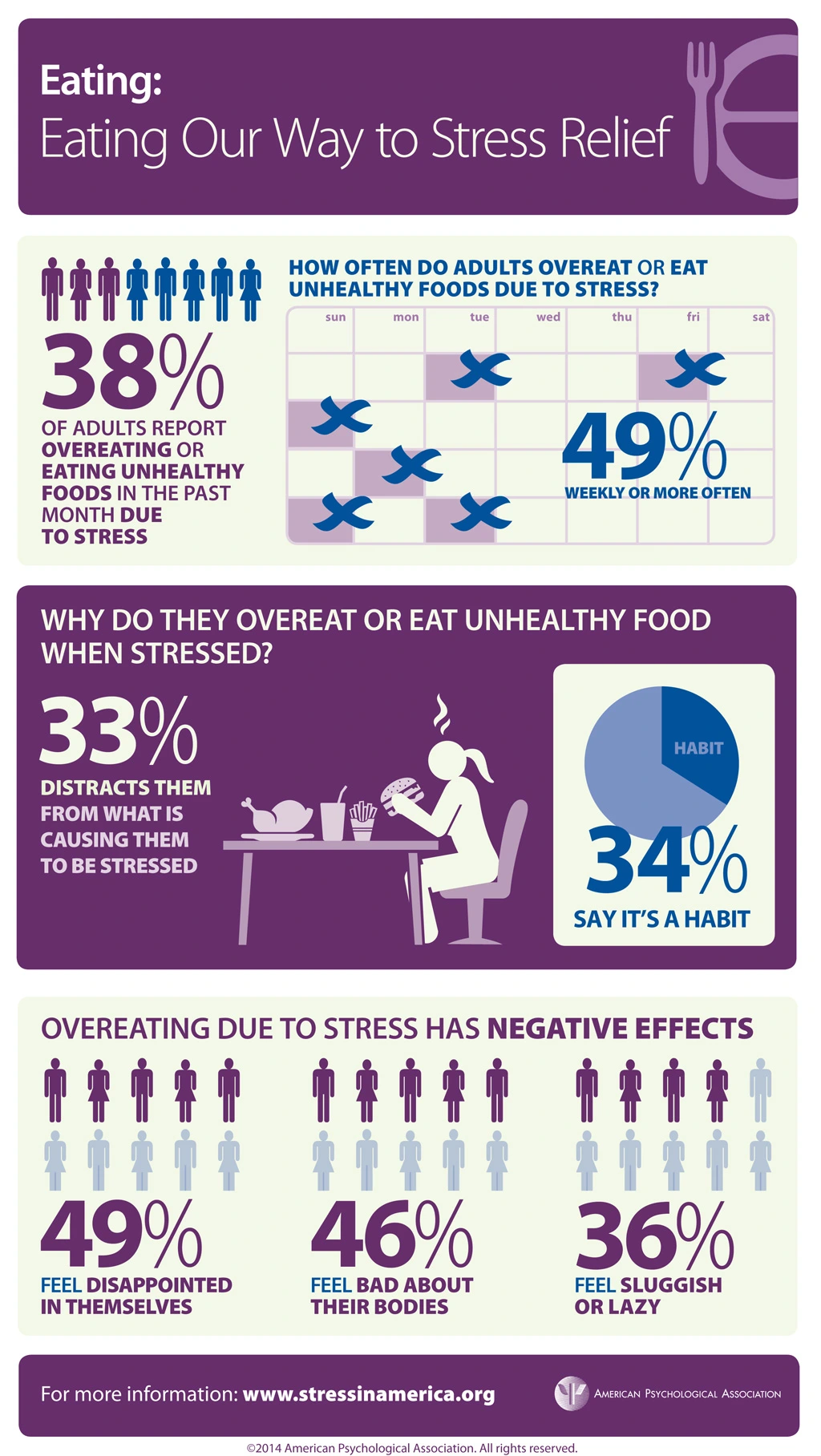
So what is stress? Stress is what we, as individuals (or organizations!) experience when the demands placed upon us exceed our ability to cope. Demands can be environmental (work, money, relationships), they can be internal (disease, illness) or behavioral (overeating, smoking, lacking exercise). Symptoms are what we experience when we are stressed. Prolonged experience of stress and symptoms relates to increased health risk.
How does that work? In the field of psychophysiology – the interaction of psychological and physiological function – there are two fundamental rules or laws. The first rule states that each individual will respond to stress in a way that is unique to that individual. For example, many people when stressed experience headaches. Others develop shin problems while others may develop gastrointestinal discomfort. Stress always effects us, even if we think it does not. The second rule states that in addition to each individual responding to stress in a unique way, that same person will respond in that unique way each and every time he or she is stressed! It is thought that our responses are driven by genetic and learned factors.
So what’s the bottom line? Consider this: If we each respond to stress in way that is unique to us and we respond the same way each time, there is considerable wear and tear – health risk – on the part(s) of our bodies responding to stress.
The good news is that we can use this information and identify how we react to stress, how stress effects our health and modify how we manage stress to reduce the related health risk. How does that work?
First, we look to the working definition of stress: Stress is what we experience when the demands placed upon us exceed our ability to cope. This definition gives us two fundamental strategies of better managing stress: we can, where possible, find ways to reduce the demands upon us and/or we can improve our ability to cope.
Enter The Oxygen Plan! The Oxygen Plan is an innovative, patent-pending behavior change program that incorporates the strengths of the widely accepted health behavior change theories or models (Self-Efficacy, Learning, Social Cognitive, Theory of Reasoned Action, Theory of Planned Behavior, Transtheoretical/Stages of Change and Health Action Process) in a simple, easy to use and emotionally intelligent way. Individuals can use the program to assess their stress, see in detail how it is impacting their lives at home, at work and socially, then systematically review that information to create their own, personalized stress management system.
10 Reasons The Oxygen Plan Works
1. The Oxygen Plan draws upon strengths of each of the leading health behavior change theories:
- Health Belief Model
- Transtheoretical (Stages of Change) Model
- Reasoned Action and Planned Behavior Model
- Social Learning/Social Cognitive Theory (includes Health Locus of Control)
- Ecological Approaches
2. Uses brief, face-valid assessment method (The Oxygen Plan Stress Test) to measure users’ strengths and weaknesses
3. Assesses strengths and weaknesses across three key spheres on life: home, work, and social with a unique health metric (Stress Number®)
4. Uses personalized data to help users build upon strengths, identify and remove barriers to change and improve upon weaknesses
5. Uses personalized plans to develop “Green Actions™” or healthy behaviors
6. Uses reassessment to measure progress, demonstrate value
7. Program revisions based on measured outcomes
- In members
- In program
- Aggregate personal performance measures = program or organizational performance measures
- Continuous improvement model
8. Elegant Simplicity, Intuitive Design
- Emotionally Intelligent – Color Scheme connotes behavior change
- Provides Social Support
9. Applies to adults and students (ages 12-18) for whole family engagement
10. Results can be aggregated and benchmarked to generalize to the health of any given organization
Contact Info
Email: info@theoxygenplan.com
Phone: (952) 582-2928